

[!] Trigger warning—the content of this article may be distressing for some.
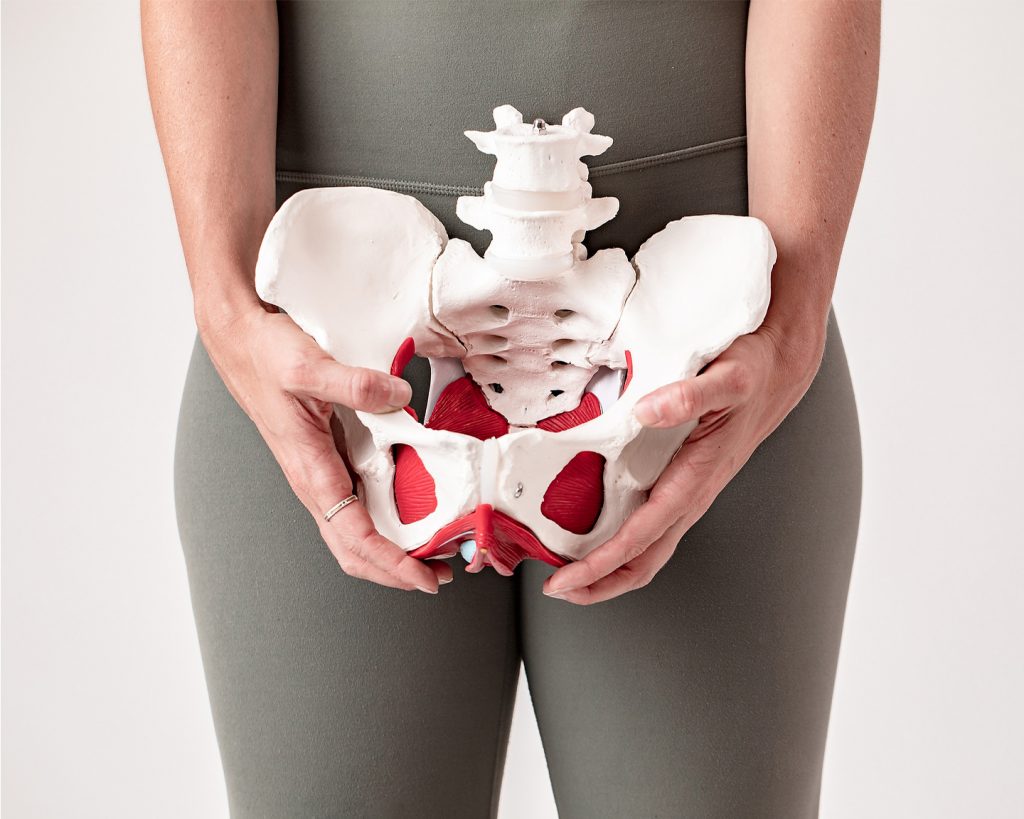
Reducing risk, treatment, and recovery
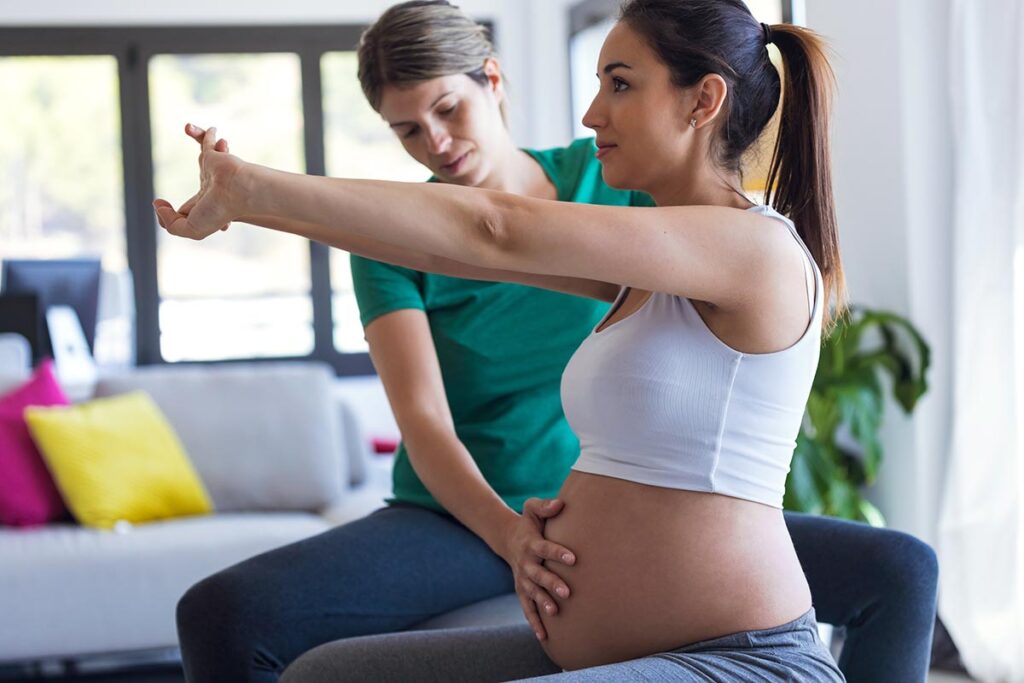
Pregnancy is an incredibly exciting, yet sometimes daunting experience, especially for first time mothers. As women’s health physios, we’re here to help you feel safe, educated, and empowered during your pregnancy, birth and postpartum recovery.
Here are four simple actions that can reduce your risk of sustaining an OASI or levator avulsion:
- Education – knowledge is power! We strongly advise to book a maternal health assessment as early as possible in your pregnancy to ensure you’re well equipped to handle and even prevent anything that arises during your pregnancy.
- Apply a warm compress to your perineum during the second stage of labour when your perineal muscles commence stretching. This might seem easier said than done, so speak to your midwife or obstetrician about ways to do this safely, and perhaps add it to your birth preferences list before your due date.
- Perineal massage from 34 weeks pregnancy. Recent research has highlighted the significant benefits that perineal massage can have in reducing your second stage of labour and the risk of sustaining a higher degree tear. Pivotal physios can teach you and perform weekly peroneal massage from 34 weeks up until you deliver, to help prepare your pelvic floor muscles and pelvic cavity for labour. The increased blood flow during pregnancy will likely reduce your pelvic floor sensitivity, so it can be a challenge to feel and see what you are doing. Chat with us if this is a treatment option you would like to consider, and we can assist you in the way you feel most comfortable.
- Finally, set time aside to do your pelvic floor exercises! Pelvic floor muscle training has been shown to significantly reduce the risk of incontinence. There is also evidence that indicates it may help women prepare for labour and reduce the likelihood of a third or fourth degree tear. However, it’s important to make sure you are activating the right muscles and doing your pelvic floor exercises correctly. If you feel unsure, check with your Pivotal physiotherapist.
Prevention is always better than the cure. Whatever stage of your pregnancy (or conception!) journey you’re in, there’s no better time to start implementing these actions and working with a women’s health physio. If you’re expecting or, indeed, already postpartum, and experienced complications, contact us to book in for an assessment and let us care for you.
~ Sophie Alderslade, Physiotherapist
References
Australian Commission on Safety and Quality in Health Care. Third and Fourth Degree Perineal Tears Clinical Care Standard. Sydney: ACSQHC; 2021.
Australian Commission on Safety and Quality in Health Care (the Commission) 2017, The Second Australian Atlas of Healthcare Variation, Women’s health and maternity, ‘3.5 Third- and fourth-degree perineal tear’, <https://www.safetyandquality.gov.au/sites/default/files/migrated/3.5-Third-and-fourth-degree-perineal-tears.pdf>
Ducarme, G., Pizzoferrato, A. C., de Tayrac, R., Schantz, C., Thubert, T., Le Ray, C., Riethmuller, D., Verspyck, E., Gachon, B., Pierre, F., Artzner, F., Jacquetin, B., & Fritel, X. 2019, ‘Perineal prevention and protection in obstetrics: CNGOF clinical practice guidelines’, Journal of gynecology obstetrics and human reproduction, 48(7), 455–460, <https://doi.org/10.1016/j.jogoh.2018.12.002>.