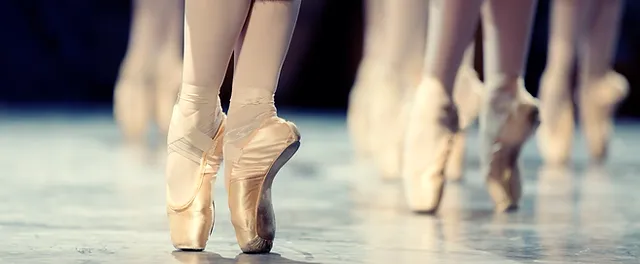

You can dance in the rain, just don’t ignore the pain.
Just like weightlifters, footy players, gymnasts, rowers, golfers, and netballers (we could go on!) really need sport-specific treatment from their physios, dancers of any level are no exception. The toll that these sports/activities/disciplines take on the body mean regular specialised servicing is a must, or athletes face a greater risk of injury and prolonged absences from the sport or activity they love!
Since dance requires a much greater range of motion of the body’s joints as well as great strength at these end ranges, it’s critically important that during rehabilitation, dancers are preparing their bodies to cope with these increased dance-specific demands, and not just those of day-to-day life.
If a dancer is experiencing pain and doesn’t seek investigation or treatment, it’s very common for compensatory movement patterns to occur. Unsurprisingly, this won’t only affect dance technique; it quite often exacerbates the original injury OR leads to a host of subsequent injuries, which will likely impact the longevity of the dancer’s career.
It makes an insurmountable difference when the physiotherapist caring for the dancer understands the demands on the body, the intricacies of the movements, and the importance for the dancer to be able to perform at their best; whether that’s in a class or on the stage. Seeing a physiotherapist with dance training can also be useful to aid in injury prevention and improvement of overall dance technique. Programs can be designed to help improve flexibility, turn out, balance, control and more repertoire-specific strength and endurance (i.e., In the lead up to a show or performance).
Tertiary and full-time dance course assessments
To support injury prevention efforts as much as possible, most tertiary or full-time dance courses now require a physiotherapy assessment before acceptance. The assessments can be carried out as the standardised Tertiary Dance Council Assessment (TDCA) or a practitioner-specific dance biomechanical assessment. The latter screening process is a great option for identifying the body’s strengths, weaknesses and imbalances as well as any technical deficits.
The assessment includes an in-dept analysis of:
- strength
- mobility
- turn out/hip external rotation range
- dance-specific joint ranges
- alignment
- flexibility
The information from these screenings should help the dancer determine whether their body is ready for the physical demands of dancing in a full-time capacity; or to assist in building a training program to improve any target areas to get the most out of their course.
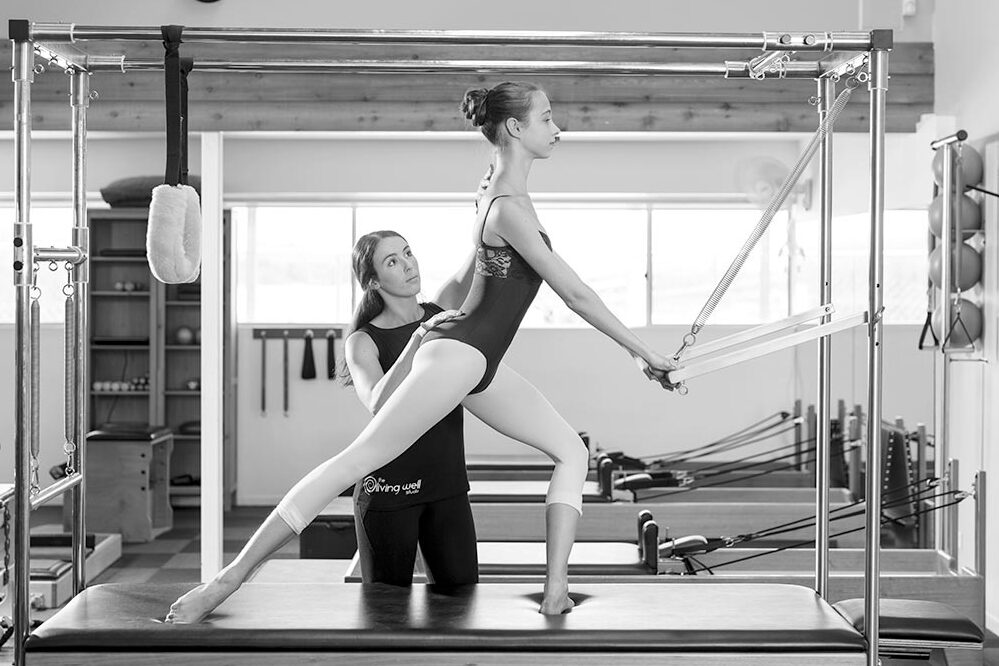
Pre-Pointe Assessments
Before starting any pointe work, it is now common (and best!) practice for dance teachers to refer students to a dance physiotherapist for a pre-pointe screening. Along with class and technical readiness, the teacher and physiotherapist work together to decide if a young dancer’s body is ready to commence pointe work, and if it will be able to tolerate the increased loading through the lower limbs when dancing en-pointe.
These in-depth screenings of strength, control, balance, and mobility don’t just take into consideration the feet and ankles, but also the knees, hips and core strength. Pre-pointe screenings also assess overall ballet technique and dance-fitness as well as general health and any other musculoskeletal concerns or history. This is to ensure that the young dancer’s whole body is equipped to cope with the increased physical demands of pointe work.
The assessment typically takes one hour, and dancers will be given a home exercise program to complete. If possible, we ideally recommend taking a pre-pointe assessment around six months before the anticipated pointe start date to allow adequate time to work on any strength or technical aspects identified in the assessment. What we’re also seeing a lot more often now is students who are looking to commence pointe in the following year, coming in for an earlier screening to get a head start on any strength or preparatory work to ensure a smooth transition.
If you’re a dancer or have a child that is eager to prevent future or recurring injuries and condition their body to cope with higher demands, come see Erin at Pivotal for a dance assessment and she’ll set you up with a tailored program to help optimise your dance performance.
~ Erin Pregarc, Physiotherapist