
Presents, family, kids, parties, cooking, work deadlines, hangovers…if you’re feeling stressed and anxious coming into the Christmas holiday rush, we’re going to help you look after your mental health, so you can start the New Year with a bang!
There are no two-ways about it: this is a hectic time of year for everyone. As physios, we often see an increase in injuries and conditions caused by a lack of self-care; when life gets busy, we tend to drop some major balls that usually keep us feeling good—exercise, sleep and nutrition being the usual suspects. So, let’s look at some ways you can celebrate without having to rehabilitate (excuse the physio joke).
Sleep
Sleep allows our bodies the necessary opportunity to restore and replenish so we can keep functioning (optimally). Not getting enough sleep (around eight hours a night for adults) can cause increased muscular tension and fatigue, which puts our physical body at a higher risk of injury. Sleep is also essential for our mental health as it supports cognition, memory and general day-to-day function. A lack of sleep can cause brain fog, irritability, and mood disturbances as well as a general lack of energy. Studies have shown that insufficient sleep can lead to increased risk of cardiovascular conditions such as heart attacks and heart disease as well as diabetes. Poor sleep has also been associated with a number of mental health conditions such as depression and anxiety.
So, what can you do? Implement good sleep hygiene practices: set yourself boundaries to ensure that (most nights of the week) you go to sleep at the same time; limit screen time two hours before bedtime; reduce your caffeine intake, especially after midday; try reading, journaling, stretching or breathwork before bed to help you get into a relaxed state. If you think you’re too busy and don’t have enough time to get everything done if you sleep, consider that you’ll likely be more efficient and productive when you’re well rested as opposed to fighting through the brain fog, which we all know makes you perform much less effectively.

Nutrition
A diet comprising 80% wholefoods (leaving 20% for “soul” foods) will provide your body with the energy and fuel it needs to keep up with the life. A balanced diet of protein (to support muscle growth), carbohydrates (for energy and stamina), fats (to support all your cells) and fiber (to keep things moving) will provide a lot of the foundation your body needs to feel good and fight illness. For many people, eating a balanced diet reduces the likelihood of bloating, fatigue and other gastrointestinal—handy things not to have to worry about during the festive season!
How can you ensure you’re eating well? Eat meals regularly and try not to skip any (to avoid bingeing later in the day). Eat the rainbow; eat a variety of wholefoods; and don’t avoid any food groups (unless you’re allergic or intolerant, of course). Eat plenty of greens to help you reach your fiber goals and keep your gut happy. If you can, plan your meals ahead so you aren’t always reaching for the quickest and most convenient option (they’re not always the most nutritious).

Exercise
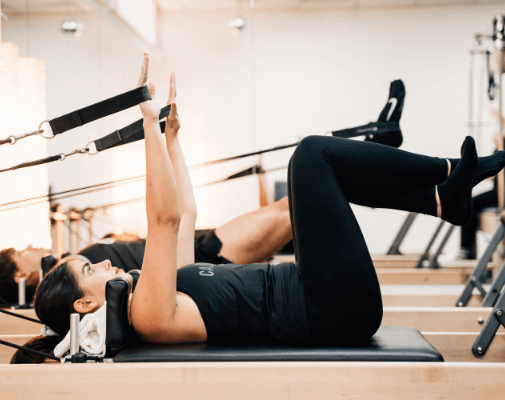
Let’s get moving! It doesn’t matter what “form” of exercise you do, as long as you enjoy it and it makes you feel good. Of course, exercise has wonderful physical benefits, but it’s also incredibly beneficial for mental health—the release of endorphins helps combat depression, anxiety and stress, which is just what we need during busy periods.
How can you bump up your heart rate? Studies have shown that ANY exercise is better than nothing. Non-Exercise Activity Thermogenesis (NEAT) is the movement we do during daily activities that is NOT scheduled exercise. This could be parking one block further away from work or taking the stairs instead of the elevator. Any way you can incorporate some form of movement throughout your day will benefit your health.
How to set yourself up for success
When it comes to creating new habits, start small. Set goals that are realistic and achievable. If you never walk and set yourself a goal to walk 1 hour a day, it’s likely you won’t do it and you’ll feel like you’ve failed. Instead, set goals that make you feel like you’re winning, that motivate and drive you to keep going. So, instead perhaps set a goal to do two 30-minute walks a week to begin with and build from there.
All this information, especially when you’re busy, is easy to push aside. Above all else, life should be enjoyed! So, if you really want to let your hair down over December, and pick up the pieces in January, go for it! But, if you want to try and establish a little more balance during this festive period, we hope these tips help.
~ Sophie Alderslade, Physiotherapist